Visit the Colosseum
in Rome
Beyond its imposing ruins, the Colosseum is an ingenious spectacle machine. Discover the invisible architecture: hypogeum, velum, and ergastulum. Relive the total immersion of the Roman spectator while mastering modern logistics.
Why book in advance?
Optimize your experience at the heart of Roman history
Access to exclusive areas
The standard ticket only grants access to the upper tiers. Choose the Full Experience option to descend into the arena and explore the underground labyrinth of the hypogeum, the technical heart of the spectacle.
Skip the endless lines
The site can accommodate only 3,000 people simultaneously. Without a named reservation, you risk waiting for several hours in the sun. Book to enter directly.
Flexible cancellation
Plans change? Enjoy free and easy cancellation up to 24h before your visit, directly online.
Instant mobile ticket
Receive your e-ticket by email. Mobile or printable.
Family price calculator
Estimate the total cost of your visit in seconds
Children under 4: free entry
What visitors say
Thousands of visitors have already booked their visit: reviews and testimonials
"Access to the hypogeum changes everything! You finally understand how the spectacle machine worked. The tunnels are narrow but fascinating. I took incredible photos from the arena. Essential to book the Full ticket in advance."
"Intense visit with my teens. The heat was strong but the audio guide kept their attention. The stands are vast, you feel small facing history. Tip: arrive 30 min before opening to avoid the queue at security and enjoy a calm start."
"The combined ticket with the Palatine is a goldmine. The view from Palatine Hill of the Colosseum is the best possible photo. We took our time to link the three sites. A full, well-filled and memorable day in the ancient heart of Rome."
"I visited at the end of the day to avoid the crowds. The golden light on the stones is magical. PMR access via Entrance 1 was smooth and well-signposted. The elevators work perfectly. Recommended for seniors seeking comfort and serenity."
"As an amateur archaeologist, the hypogeum is a technical revelation. The wells and Roman elevators are stunning. The guide well explained the difference between munera and venationes. Very culturally enriching to understand ancient engineering."
"Beautiful place but very saturated. Even with a ticket, security lines are long. The arena is beautiful but you can't linger there for long. Plan for water and comfortable shoes. The heat in the stone is stifling, especially mid-day."
"The 'Full' experience is worth the extra price. Walking in the arena, where Russell Crowe filmed Gladiator, is a dream come true. The time slot organization is strict, be punctual. A highlight of our trip to Italy, unforgettable."
"I appreciated the historical context provided by the audio guide. It allows you to visualize the Velum and the fights. The adjacent Roman Forum is just as impressive. Allow at least 2h to properly absorb the entire ancient site and its architectural details."
"A moving visit. You feel the weight of history, from gladiators to papal processions. Access to the underground gives a unique perspective on Roman brutality and ingenuity. Thanks for the tips on hours."
Practical info
Everything you need to plan your visit
Address
Lazio
Rome, Historic Center · Metro: Colosseo (Line B, direct exit) or Termini (Line A, 10 min bus 75/85).
Opening Hours
Hours vary by season and school holidays. Generally open from 8:30 AM to 7:00 PM in summer. Always check the strict time slot of your ticket.
Prices
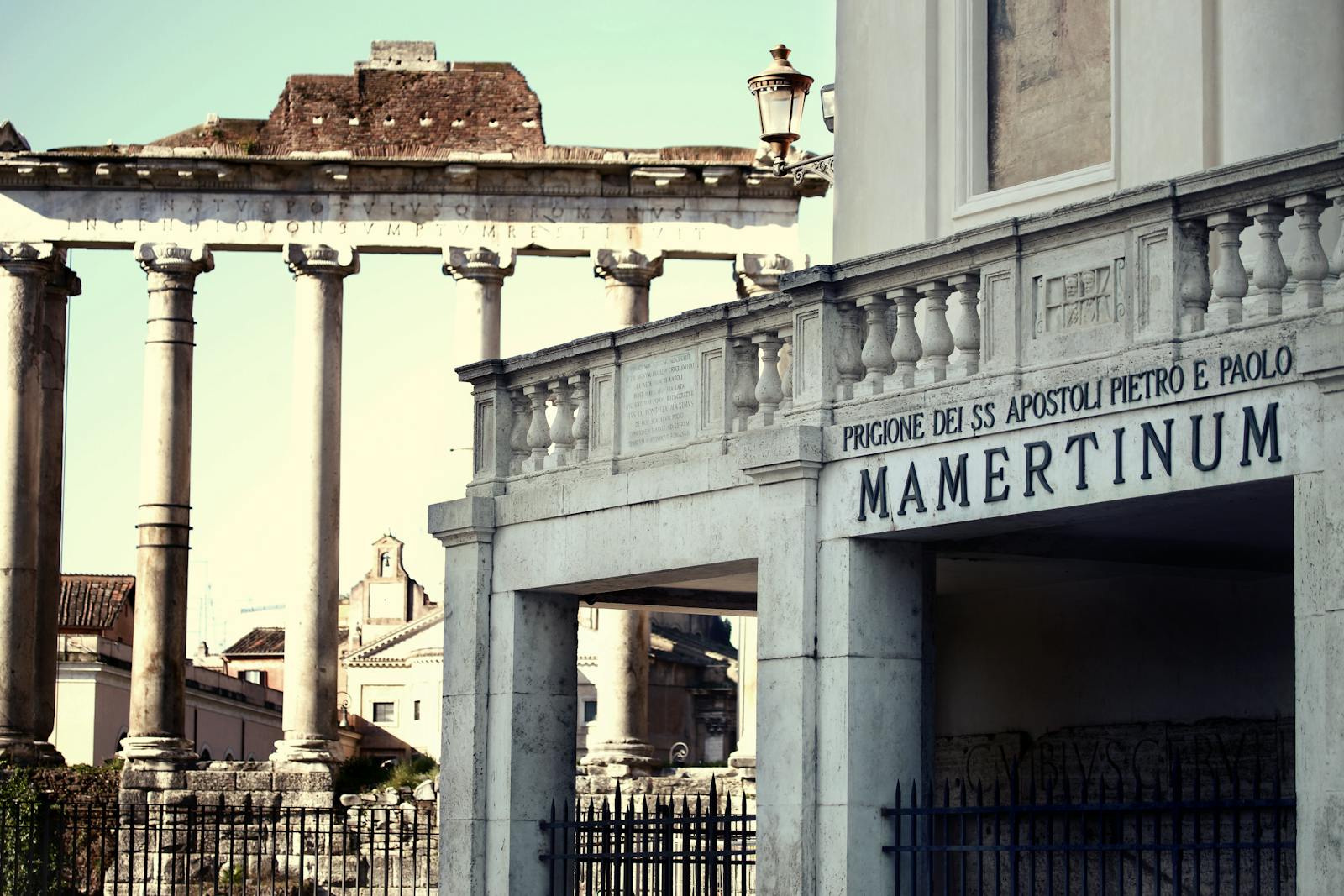
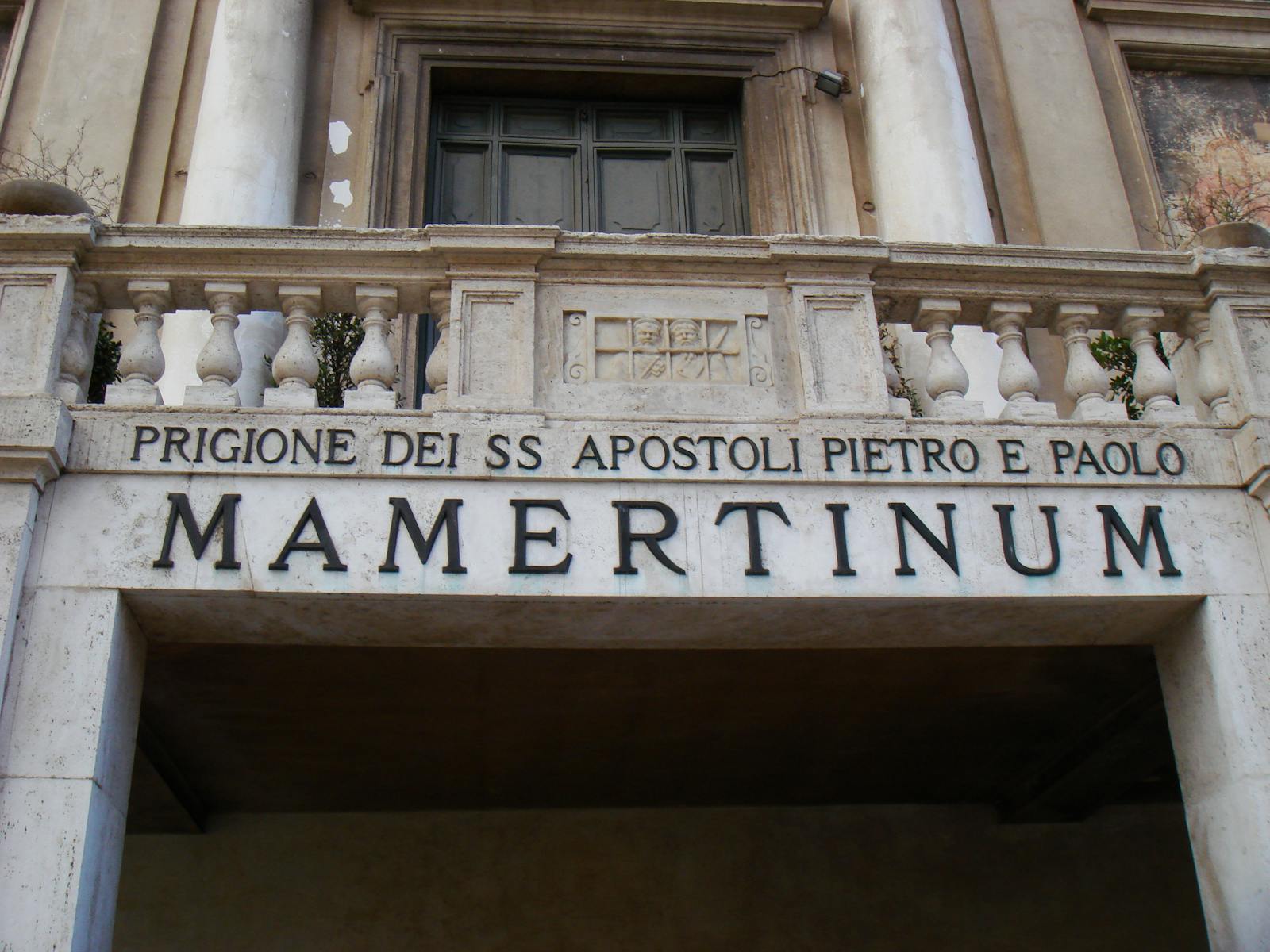
Colisée, Forum Romain & Prison Mamertine + Audioguide : From 32 €
Colisée, Arène & Forum Romain + Audioguide : From 52 €
Colisée, Arène & Forum Romain : Visite guidée : From 85 €
Colisée & Forum Romain : Visite guidée : From 39 €
Colisée et Forum romain : Visite en petit groupe : From 199 €
Musées du Vatican & Colisée : Vidéo multimédia : From 120 €
Musées du Vatican & Colisée : Visite guidée : From 220 €
Colisée et Forum romain : Visite en petit groupe + prise en charge à l'hôtel : From 107 €
Colisée, arènes, forum romain et colline du Palatin : Visite guidée : From 109 €
Show more ▾
Children under 18 (EU) and teachers often free. .
Visit Duration
Photos
Audience
Accessibility
PMR
PMR access via Entrance 1 with elevators, mandatory prior booking required.
Family
Site is adapted but beware of heat and queues. Free tickets for under-18s (EU).
Audio guide
French, English, Spanish
Weather in Rome
Current conditions and forecast to plan your visit
Discover Colosseum
The Flavian Amphitheatre: Eternal Symbol of Rome
From the Flavian dynasty to the modern era, discover the key figures of the monument.
80 AD
Inauguration date under Titus
50 000 - 80 000
Initial spectator capacity
1980
UNESCO World Heritage inscription
2007
New Wonder of the World
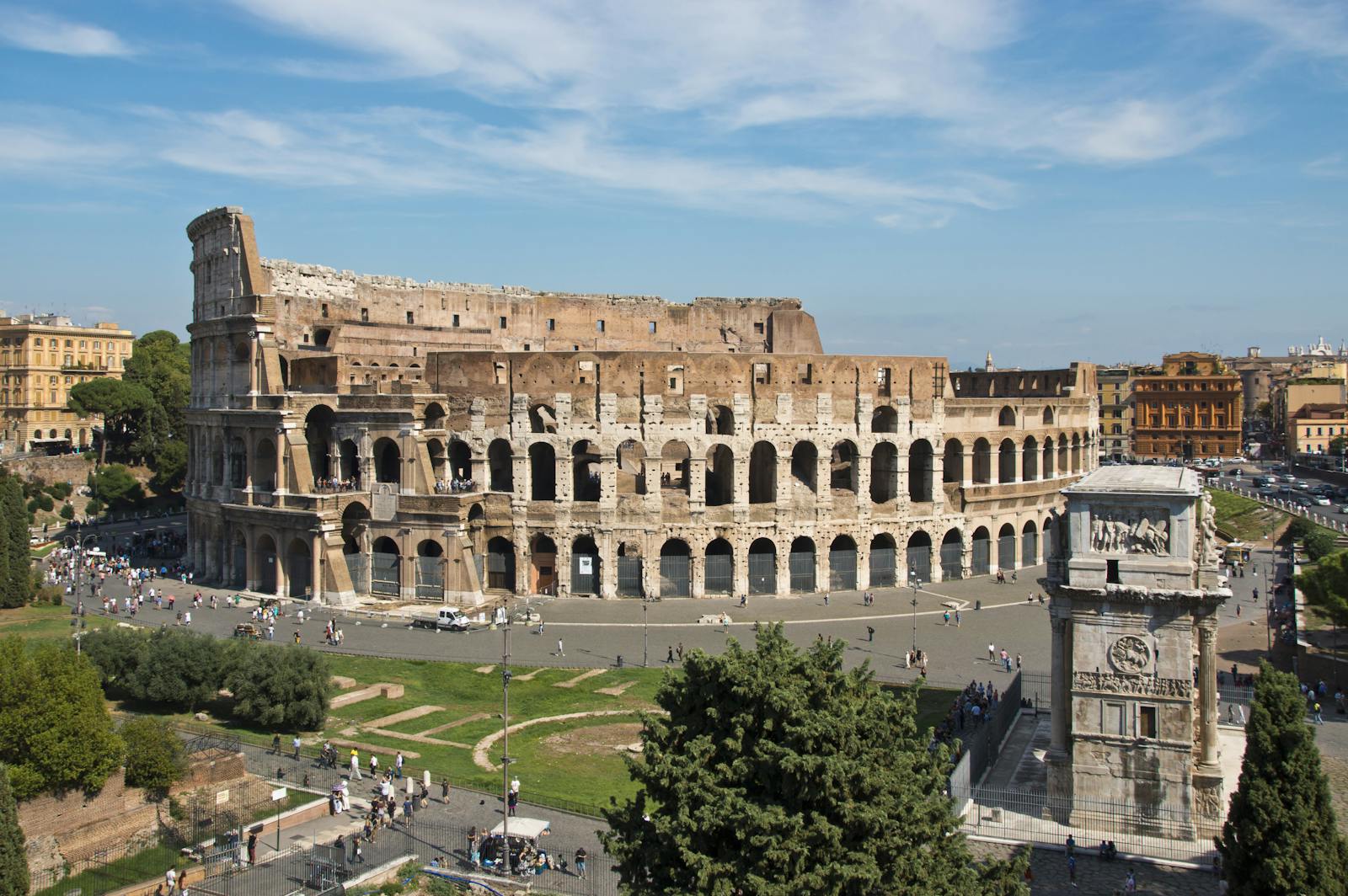
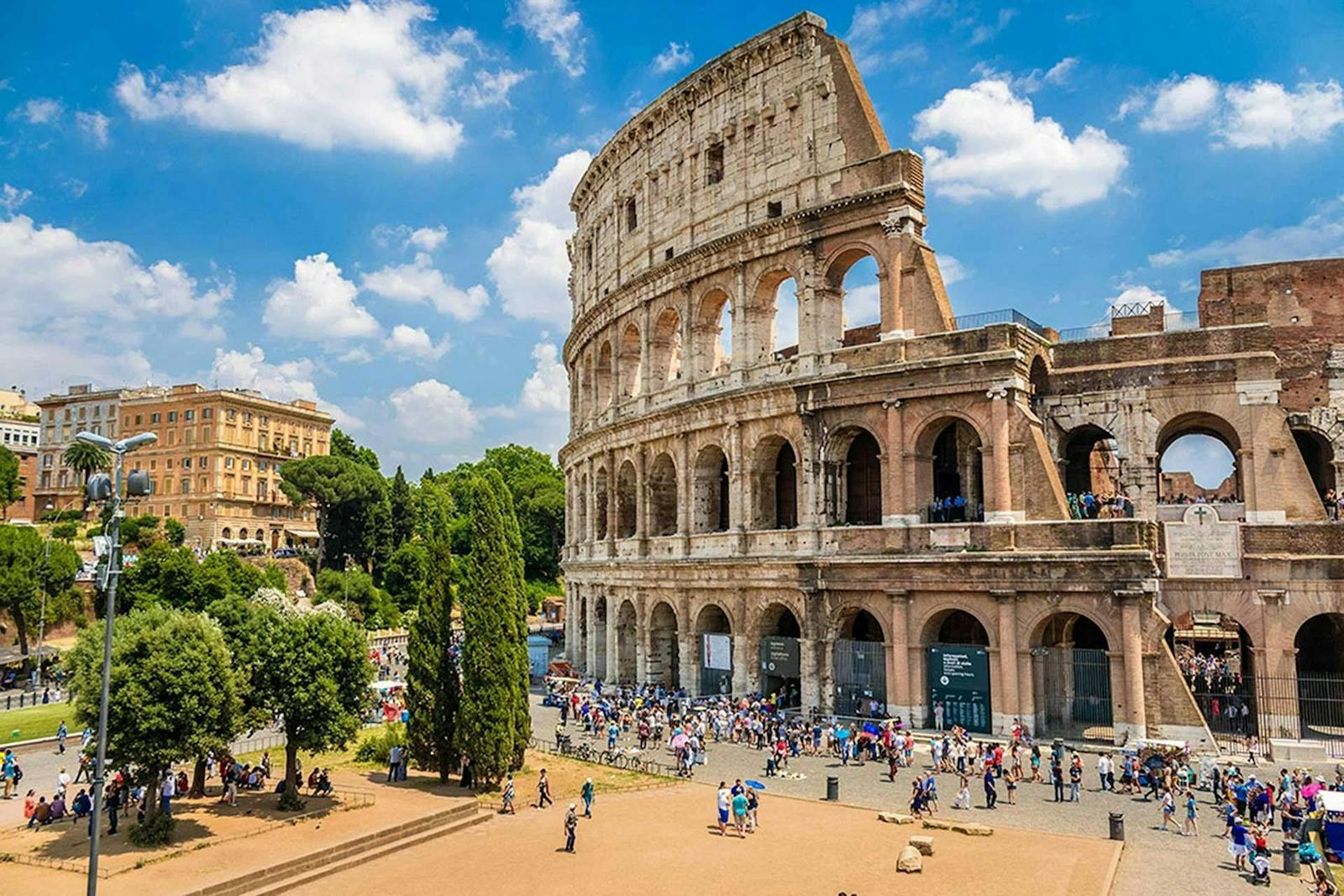
The Colosseum, or Flavian Amphitheatre, is far more than a simple ruin; it is a feat of Roman engineering built between 70 and 80 AD by the Flavian dynasty. This monument, inscribed on the UNESCO World Heritage list in 1980 and elected New Wonder of the World in 2007, hosted up to 80,000 spectators. Today, it remains Rome's most visited site, attracting millions of curious visitors eager to touch imperial history.
History of the Flavian Amphitheatre
Construction of the Colosseum began under Emperor Vespasian around 70-72 AD, on land confiscated from Nero's palace. The goal was to return this space to the Roman people. The work was completed in 80 AD under his son Titus, marking the political triumph of the Flavian dynasty. Subsequent modifications under Domitian perfected the structure, notably the hypogeum, transforming the site into a complex and formidable spectacle machine.
In the Middle Ages, the monument lost its original function to become a fortress, then a quarry. Romans extracted marble and metals to build other structures, causing the ruins visible today. Despite earthquakes in 443 and 1349, the structure survived. It even served as a Catholic sanctuary, reminding us that the site remains spiritually active, notably during the Good Friday torch procession led by the Pope, linking the pagan past to Christian faith.
The name 'Colosseum' likely comes from the proximity of a colossal statue of Nero, although its official name is Flavian Amphitheatre, referencing the imperial Flavius family. This national symbol even appears on the Italian 5 euro cent coin, attesting to its emblematic status. From the inaugural naumachia to the medieval quarry, every stone tells a story of profound transformation in Roman society, marked by the ambition of Emperors Vespasian and Titus.
What to see: Arena, Hypogeum, and Tiers
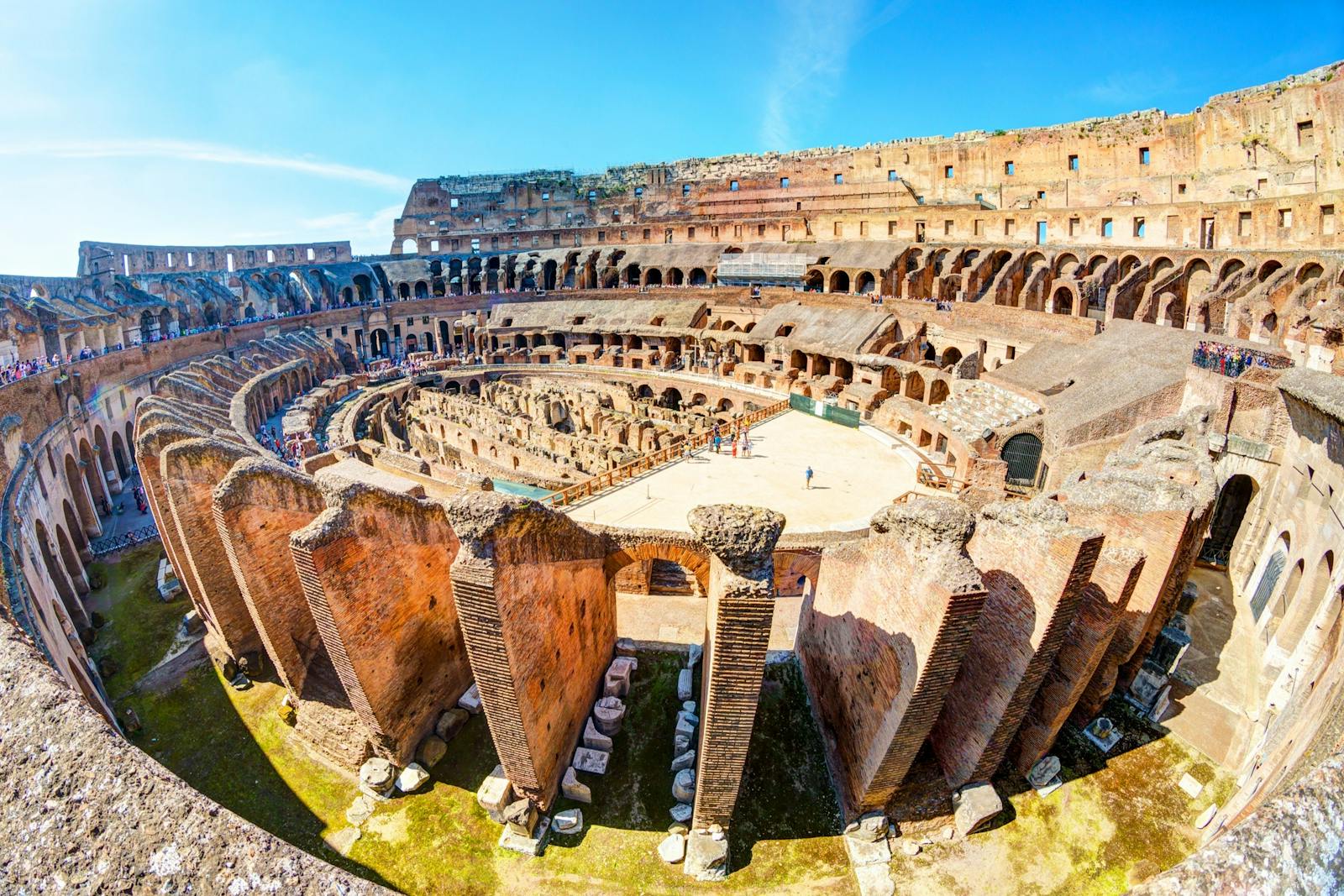
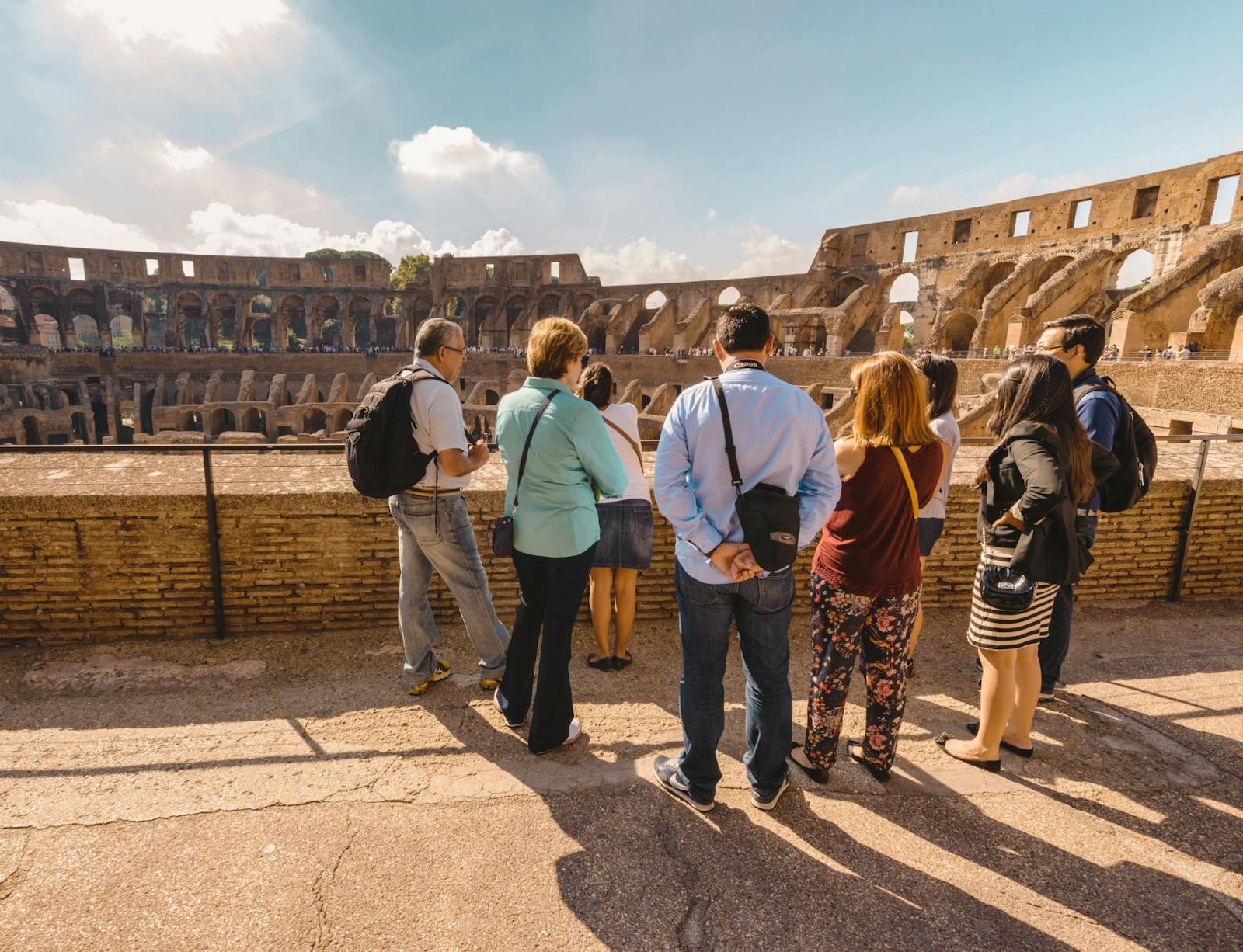
The visitor experience depends radically on your ticket. Standard access leads to the second-floor tiers, offering a view down onto the arena. However, to understand the mechanics of the spectacle, you must choose the 'Full Experience' ticket. This allows you to descend to the arena floor and explore the hypogeum, the underground labyrinth where gladiators and beasts awaited their fate, prepared by elevators and secret wells. This immersion into the technical backstage reveals the logistical complexity of the era.
The arena itself, paved with wood covered in sand to absorb blood, was the theater for bloody fights and mythological reenactments. During the inauguration, it was even flooded for a naumachia, reenacting the naval battle of Corinth. Seeing these places allows you to imagine the sweat of the fighters and the tension of the crowd. It is a total immersion into the brutal reality of the Roman spectacle, far beyond cinematic clichés, under the unshakeable gaze of the stone arches.
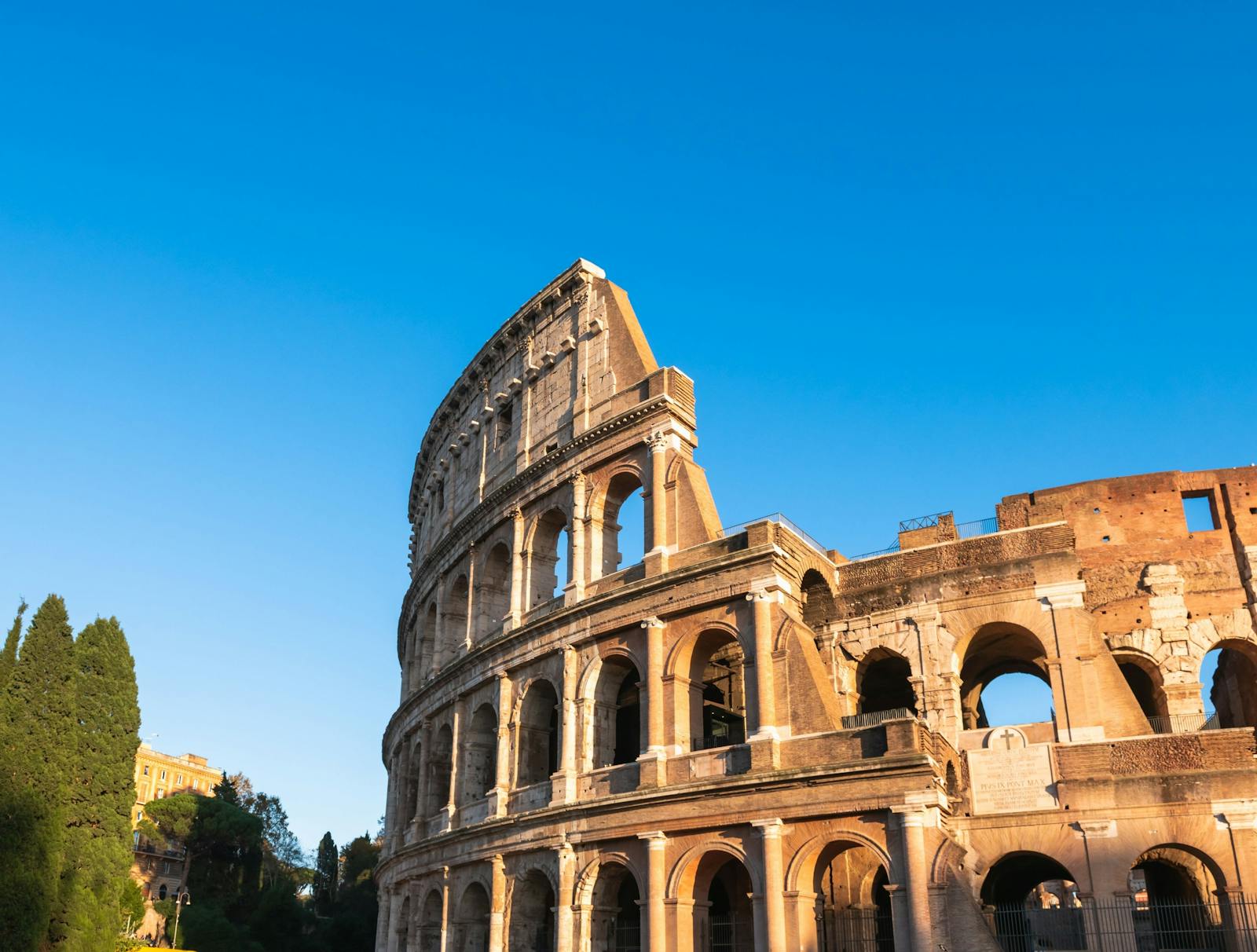
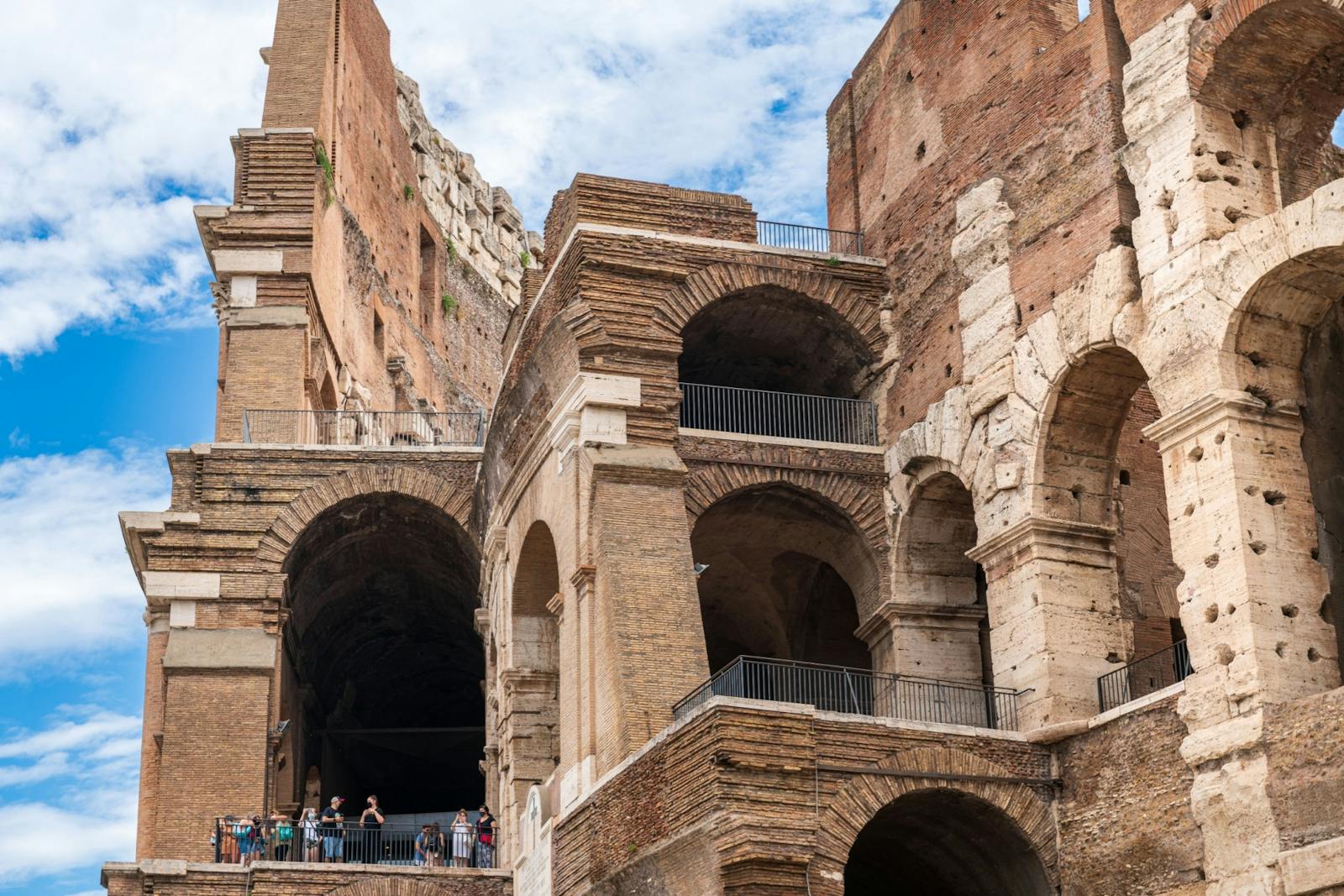
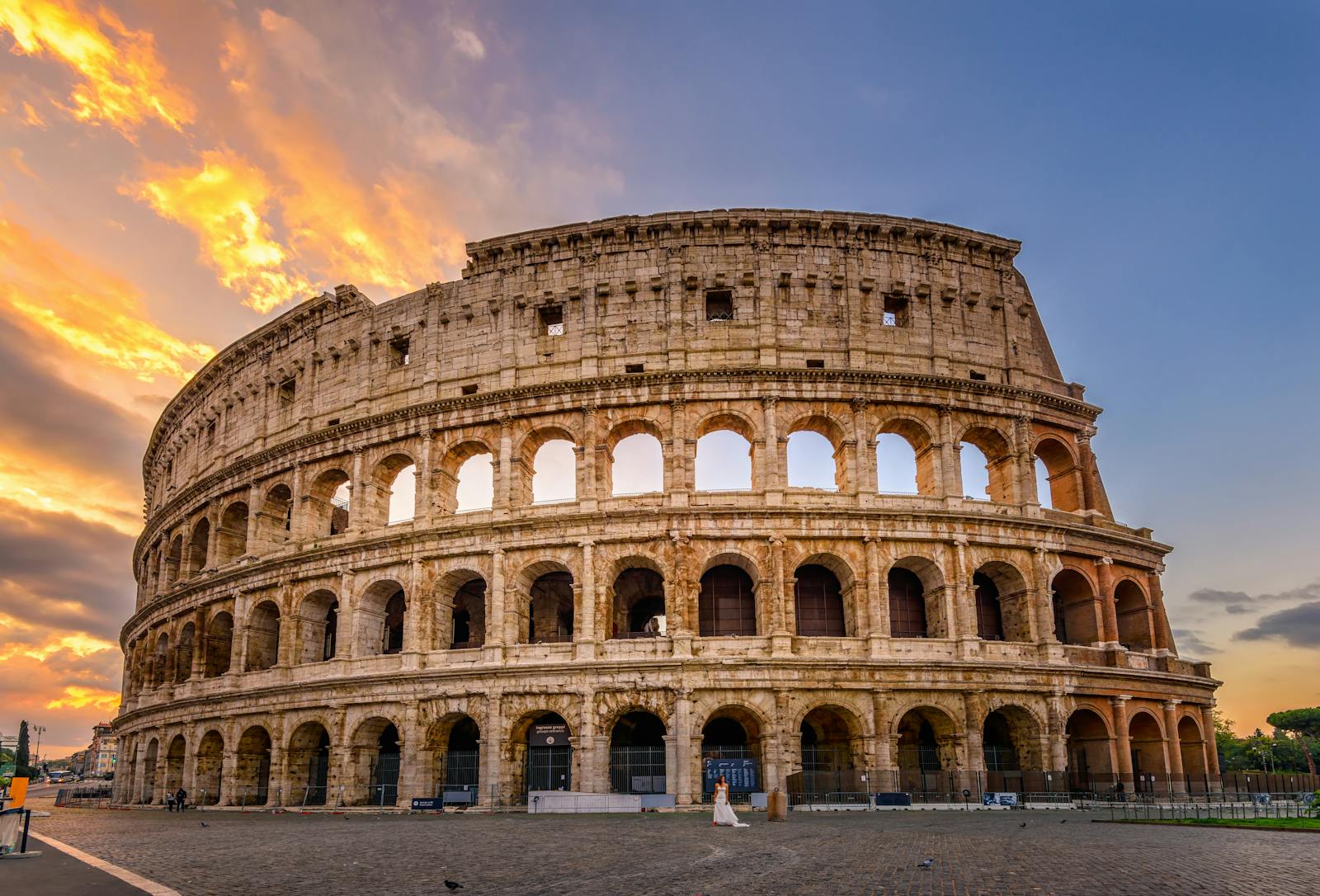
Above, the tiers were organized according to a strict social hierarchy, from the Senate to women and slaves. A huge hemp canvas, the Velum, stretched by sailors, protected the 50,000 to 80,000 spectators from the burning sun. Today, the exterior arches offer an impressive view of the internal walls and the remains of the seats. A combined visit with the Roman Forum and Palatine Hill is recommended to contextualize this giant within the political heart of the Empire.
Practical tips for a serene visit
Logistics are crucial: the site can accommodate only 3,000 people simultaneously, which generates massive queues. It is imperative to book a named ticket with a precise time slot. Arriving 30 minutes before opening allows you to pass through airport-style security checks without stress. Large bags are prohibited, so travel light. Plan for stable walking shoes, as the floors are uneven and there are many steps.
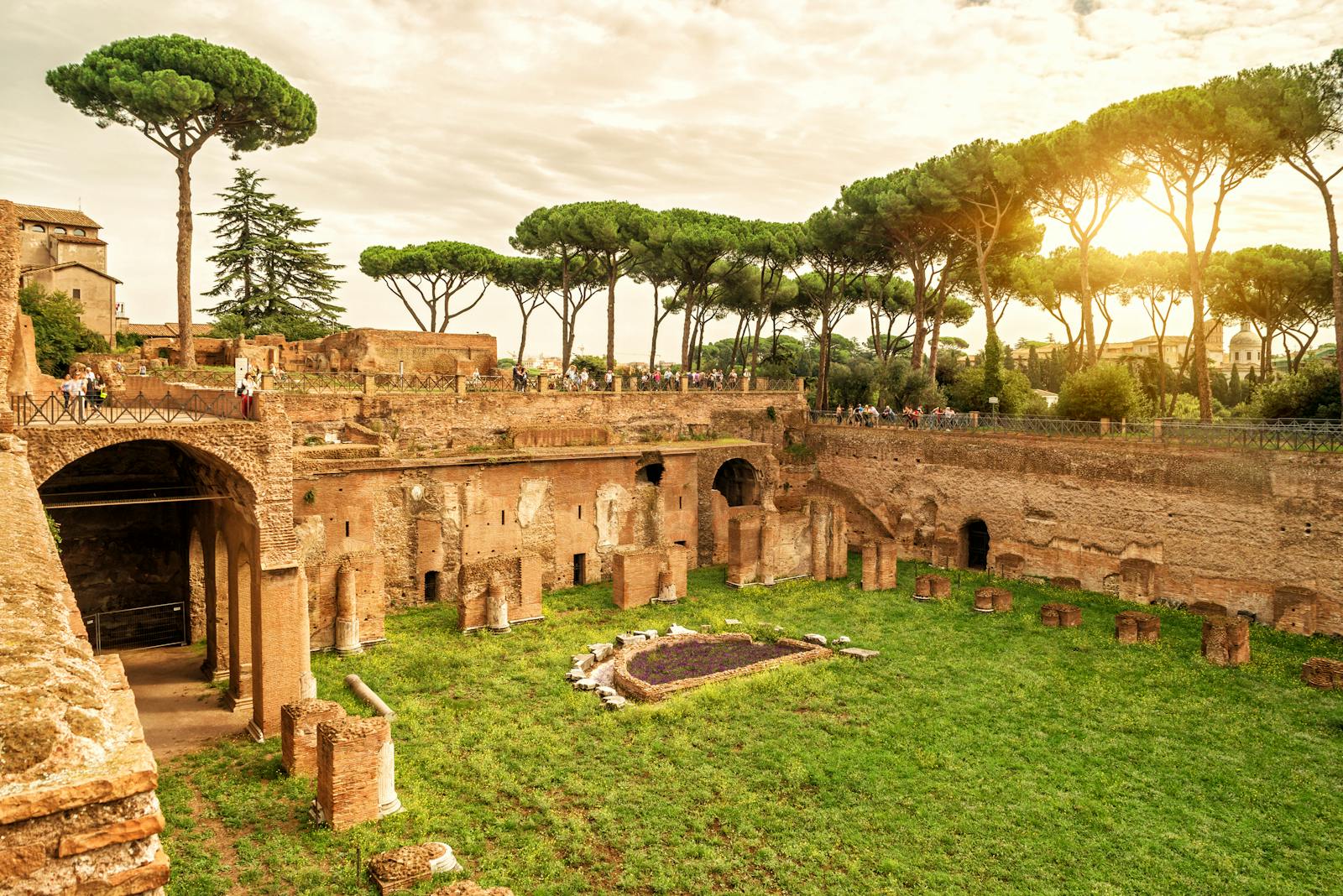
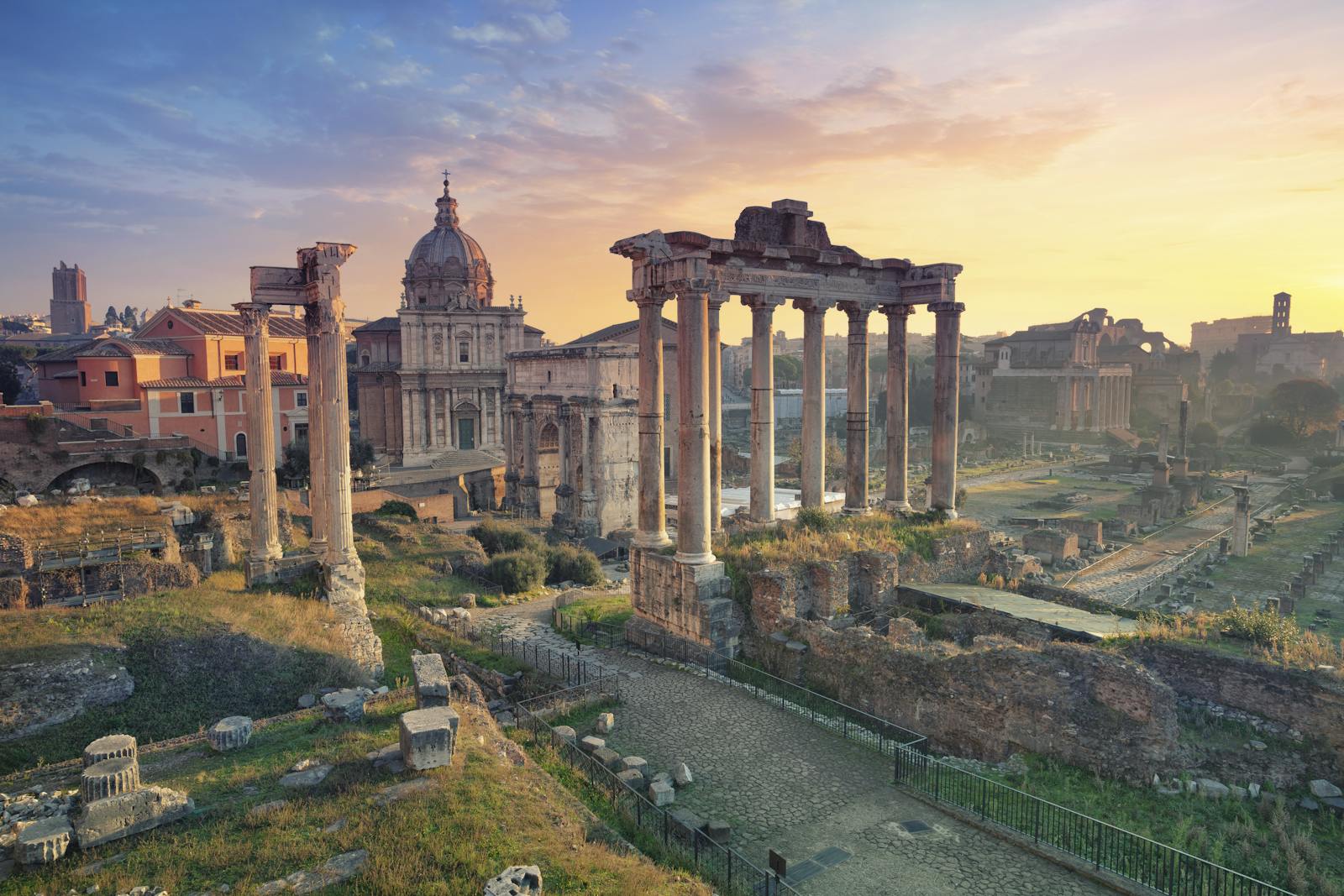
For the best photos, don't just stay in front of the entrance. The view from the Palatine Hill offers a unique panoramic perspective of the amphitheater and the Forum. The Via dei Fori Imperiali allows for a classic frontal view. Avoid peak noon hours when the heat is stifling. Early morning or late afternoon, the light is softer and crowds less dense, making the visit more pleasant and photogenic.
Public transport is highly recommended: take the Metro Line B to Colosseo stop, a two-minute walk. Parking is limited and expensive. If you have mobility issues, specific access is available via Entrance 1, but it requires prior booking for the elevator. Also check for technical closures of the hypogeum before booking the full ticket, as some areas close for maintenance.
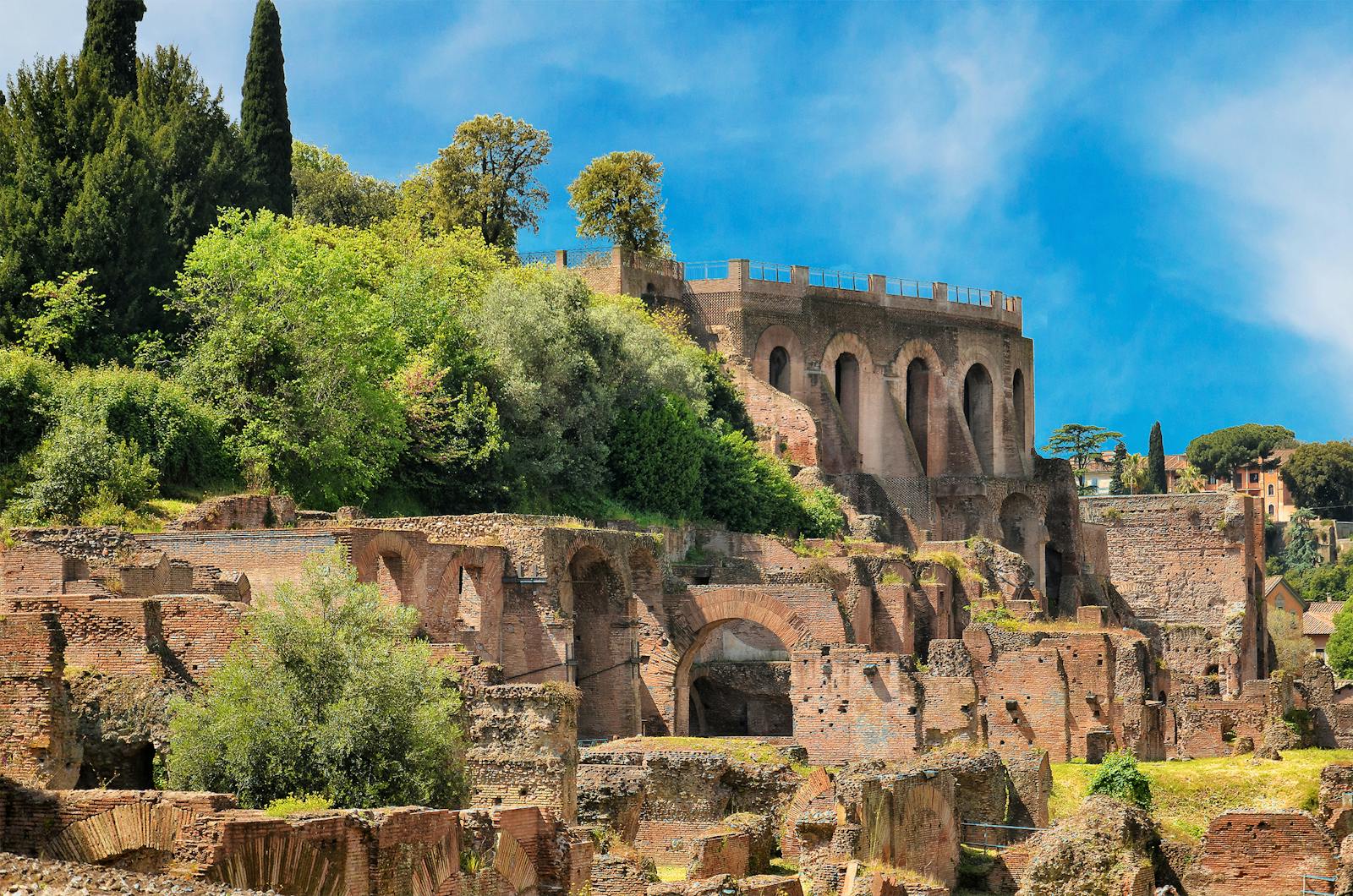
What awaits you at the Colosseum
Architecture, History and Engineering
Tips for visiting the Colosseum
Insider tips
Arrive 30 minutes before opening
The queue for security checks starts forming very early, especially during peak season. Being first allows you to enter without stress and enjoy the empty seats, offering a unique immersive experience away from the compact crowd that arrives later. Book your ticket.
Choose the precise time slot
Tickets are named and linked to a strict time slot, for example 10:00-11:00. Lateness may result in denied entry, so plan your journey accordingly and always arrive with a safety margin for checks. Present your ID.
Wear walking shoes
The floors are uneven, composed of worn ancient stone, with many steps and unstable paving stones. Absolutely avoid heels or flat sandals that slip easily, and prefer walking shoes that offer good grip and adequate support. Count at least 5000 steps.
Bring water or prepare for the heat
In summer, the heat is stifling in the stone, and water points are rare inside. Check the current policy on water bottles, but prepare to face high temperatures, especially on the seats exposed directly to the Roman sun. Wear a hat and sunglasses.
Combine with the Palatine for the view
Don't stay only in the Colosseum: the Palatine Hill offers the best panoramic view of the amphitheater and the Forum. This downward perspective allows you to understand the scale of the site and its integration into the ancient urban fabric, considerably enriching the visit.
Visit the hypogeum early in the morning
Access to the underground is often limited in number and the tunnels are narrow. The first slots of the day are less crowded, allowing a more serene exploration of the mechanisms and animal cages, with ideal photographic conditions thanks to natural light.
Take Metro Line B
Parking is a logistical and costly nightmare. The Line B metro (Colosseo stop) drops you only 2 minutes walk from the site. Avoid taxis that get stuck in the dense traffic of the historic center, opting for this fast, economical, and stress-free solution. Bus 75 as well.
Check for technical closures
Some areas, such as the hypogeum, sometimes close for maintenance or restoration. Always check the official website before booking the 'Full Experience' ticket, as an unexpected closure could reduce your visit to the seats only, radically limiting the proposed experience. Check alerts.
Ready to book?
Choose your tickets online and get instant confirmation.
Book my ticketsSecure payment • Free cancellation • Instant confirmation
Did you know?
Little-known anecdotes
The inaugural naval battle
During its inauguration in 80 AD, Titus flooded the arena to organize a spectacular naumachia reconstructing the battle of Corinth against Corcyra. Real ships sailed in the water before the underground structures were built.
Medieval stone quarry
In the Middle Ages, the Colosseum was stripped of its precious marbles to build other Roman buildings, causing its current ruins. This use as a stone quarry explains why only the outer facade remains partially intact today.
The Good Friday procession
The site remains a powerful spiritual place: every Good Friday, the Pope leads a torchlight procession on a Via Dolorosa. This tradition perpetuates the link between the Roman Empire and the Catholic Church, transforming the arena into a sanctuary. It is the papal Stations of the Cross.
On the 5 cent coin
Absolute national symbol, the Colosseum appears on the national side of the Italian 5 euro cent coin. This monetary presence recalls its status as a global icon, recognized by UNESCO in 1980 and as a New Wonder of the World in 2007.
Medieval Reuses
After the Empire, the Colosseum served as a fortress, residence, artisan workshop, and even a Catholic sanctuary. These successive reuses demonstrate the site's adaptability, which survived the centuries thanks to its robust structure despite earthquakes. It was also a quarry.
The origin of the name linked to the statue of Nero
The Colosseum has been listed as a UNESCO World Heritage Site since 1980. Recognized as one of the New Seven Wonders of the World in 2007, it attracts millions of visitors. It also appears on the Italian 5 euro cent coin, a national symbol.
Include the Colosseum in your trip to Rome
Three itineraries based on available time
The Morning Imperial Trio
- 09:00: Enter the Colosseum with the first time slot to enjoy the cool air and empty stands before the crowds arrive.
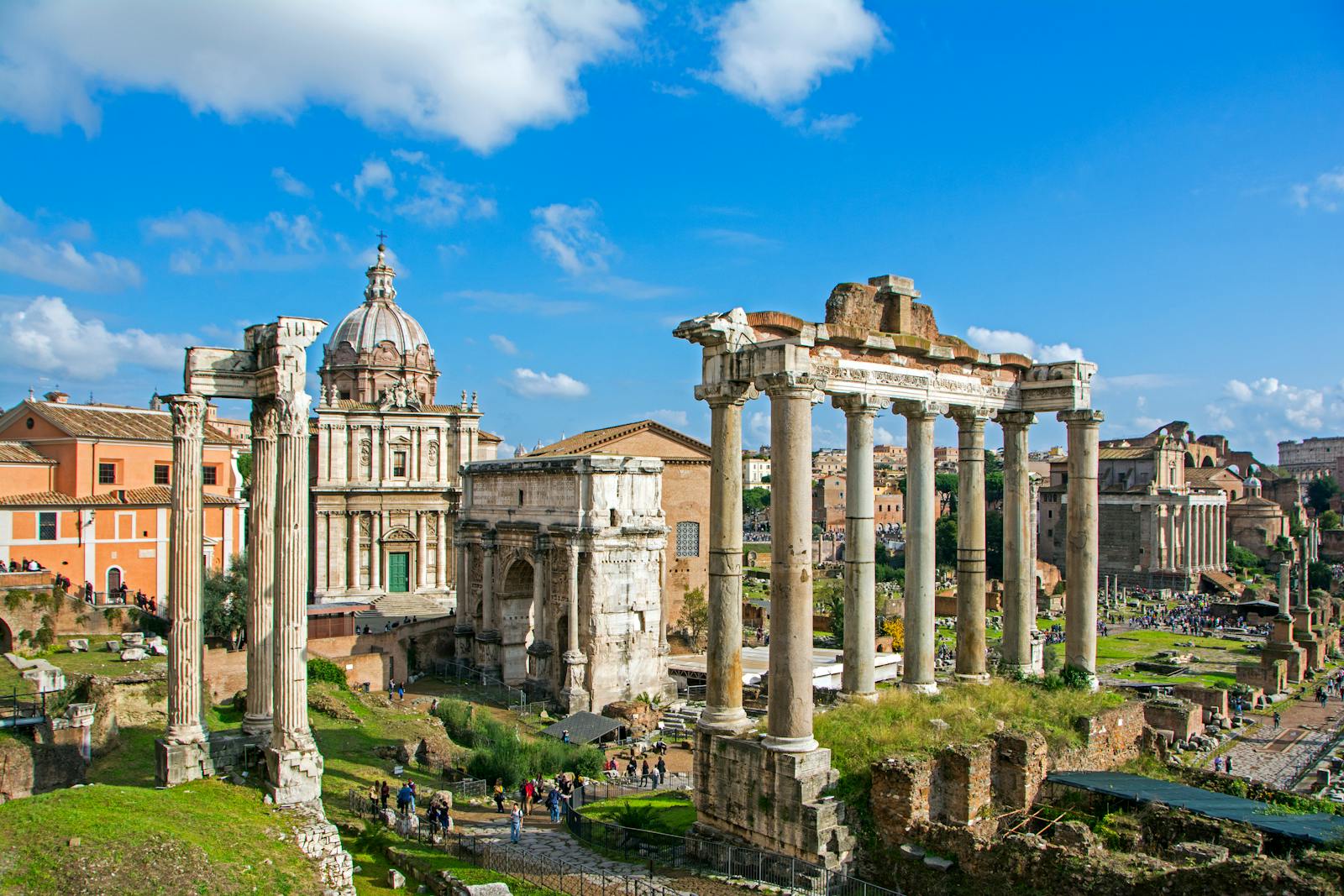
- 10:30: Cross over to the Roman Forum via ancient paths, exploring the ruins of the Senate and the Basilica Julia.
- 12:00: Climb to the Palatine Hill for panoramic views of the city and a quiet visit to the Farnese Gardens.
- 13:00: Quick lunch in the Monti district, just behind the Colosseum, to experience authentic local Roman atmosphere.
Ancient Rome and the Jewish Quarter
- 09:00: Full tour of the Colosseum with the 'Full Experience' ticket to access the arena and mysterious underground chambers.
- 11:30: In-depth exploration of the Roman Forum and Palatine Hill, taking advantage of the morning light for photos.
- 14:00: Typical Roman lunch in the Monti district, known for its traditional trattorias and relaxed atmosphere.
- 16:00: Historical walk to the Arch of Titus, followed by a visit to St. John Lateran Basilica, the first church in Rome.
- 17:30: Stroll through the Monti district for artisan shopping and discovery of preserved medieval alleys.
Roman and Modern Immersion
- Day 1: Colosseum + Forum + Palatine in the morning, followed by a cultural and gastronomic evening in the Monti district.
- Day 2: Visit the Vatican Museums and St. Peter's Basilica in the morning, then explore Trastevere in the evening.
- Day 3: Historic Center with Piazza Navona and the Pantheon in the morning, shopping on Via del Corso in the afternoon.
- Evening: Farewell dinner with a view of the illuminated Colosseum, the eternal symbol of Rome's grandeur and resilience.
Rome Tourist Card
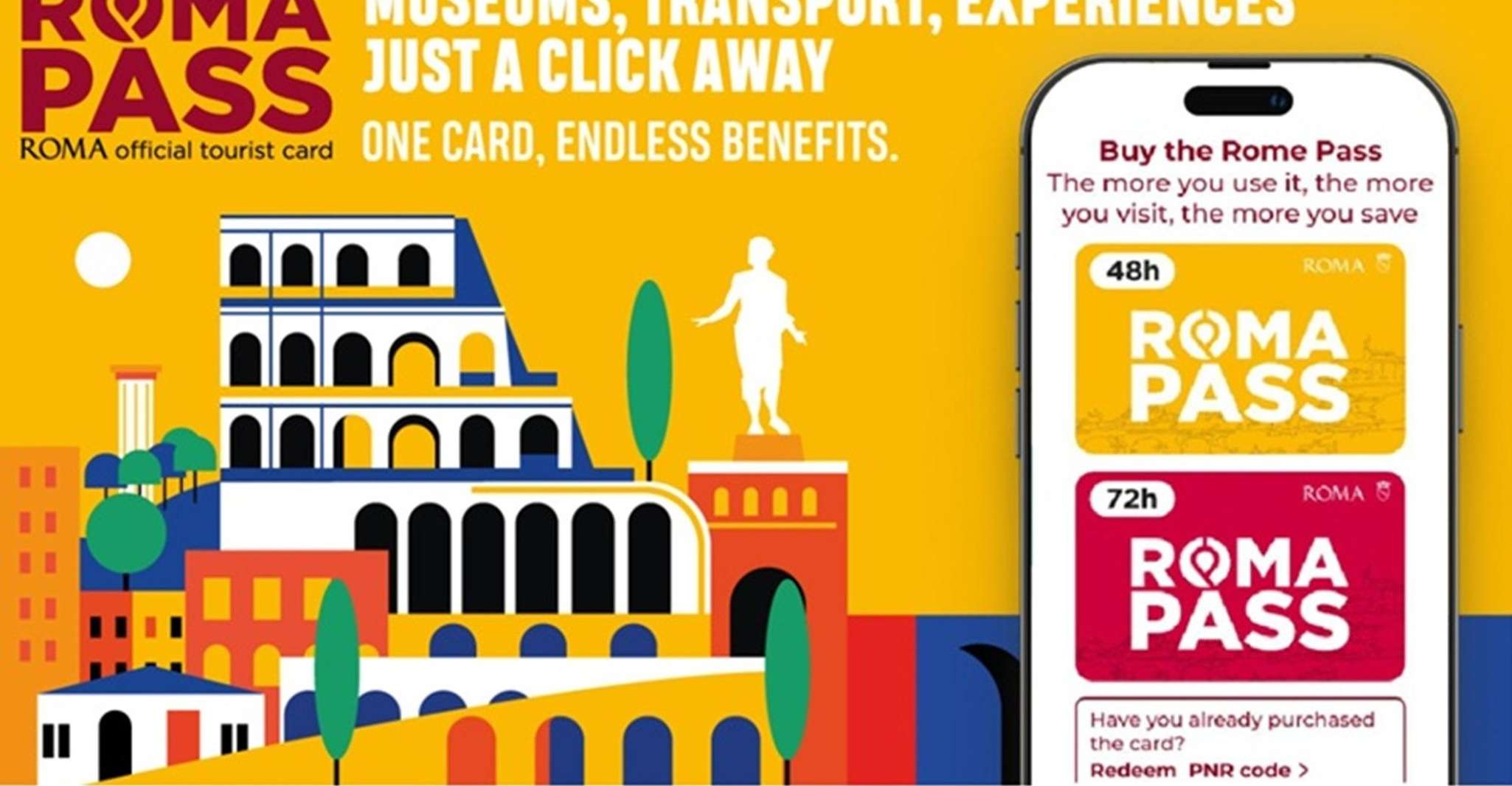
Discover Rome's iconic sites with access to over 45 major attractions.
From 38 €
See also
More must-see experiences in Rome
Interactive map
Find the attraction and nearby places to visit
Near Colosseum
Make time to explore the surrounding area
Roman Forum
5 min walk
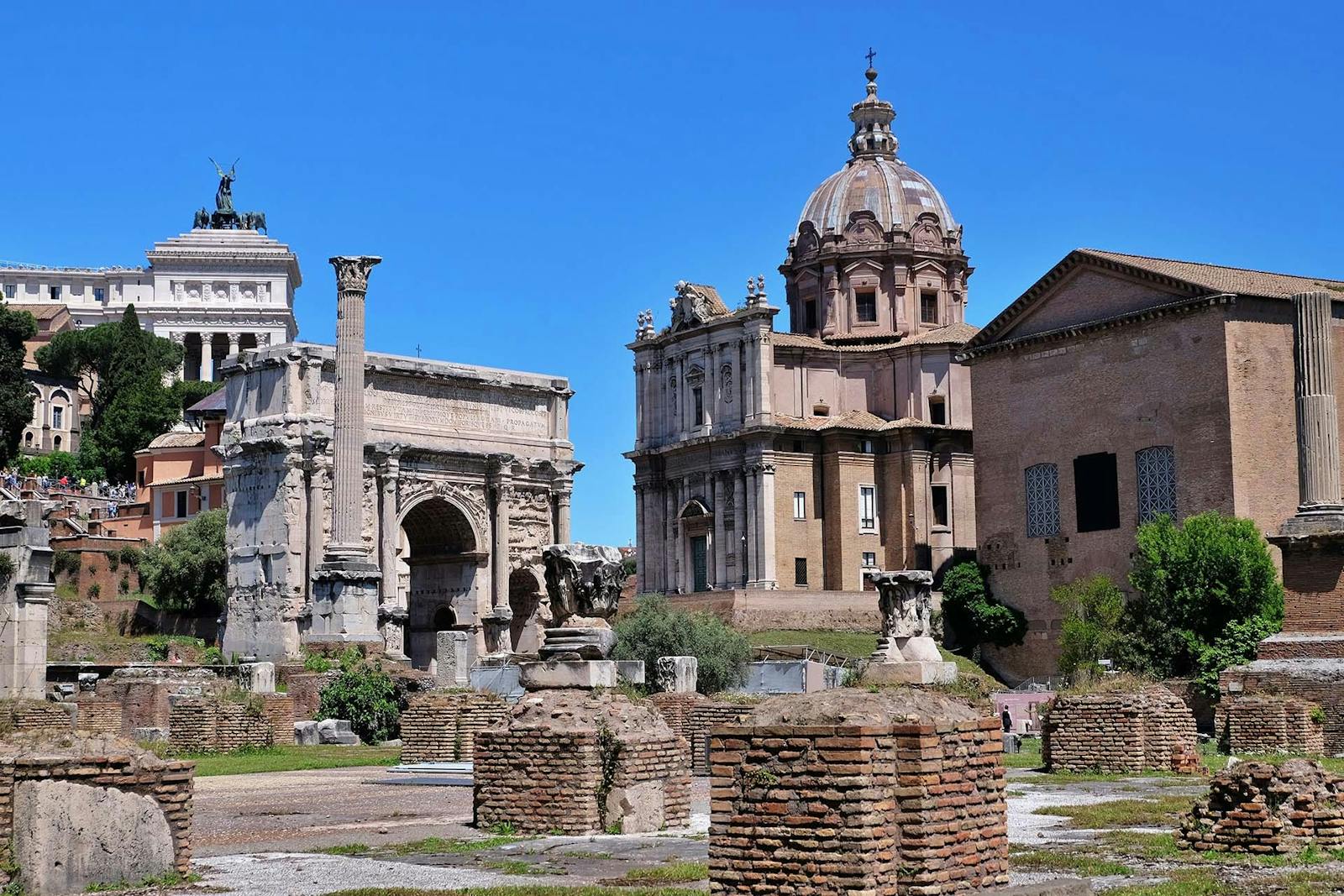
The political heart of the Roman Empire. Stick with the combined ticket to explore the ruins of temples and basilicas.
Palatine Hill
10 min walk
The ultimate panoramic viewpoint of the Colosseum and the Forum. The Farnese Gardens offer a shaded and historical break.
Arch of Titus
3 min walk
Emblematic triumphal monument on the Via Sacra. A must-have photo with the Colosseum in the background, this place symbolizes the glory of the Roman Empire.
Basilica of St. John Lateran
12 min walk
The 'Mother of all churches'. The Pope's cathedral, it offers a striking architectural contrast with the surrounding Roman antiquity and its Baroque splendor.
Monti District
8 min walk
Former popular neighborhood, now trendy. Ideal for an authentic lunch away from tourist traps, in the heart of historic Monte Testaccio.
Forum Museum (Museo del Foro)
2 min walk
Small museum located near the Monumental Gate. It displays the reliefs and statues found on the site of the Roman Forum, completing the archaeological visit.
How to get to the Colosseum
Estimated travel times from the main points in the city
Metro : Colosseo (2 min walk) Bus : Merulana/Brancaccio (10 min walk)
- From Roma Termini 1,4 km → 9 min
- From Roma Prenestina 4,5 km → 17 min
- From Ciampino 13,1 km → 37 min
- From Pavona 20,8 km → 56 min
- From Tivoli 27,1 km → 71 min
- From Roma Termini 1,4 km → 14 min
- From Roma Prenestina 4,5 km → 26 min
- From Ciampino 13,1 km → 60 min
- From Pavona 20,8 km → 91 min
- From Tivoli 27,1 km → 116 min
- From Roma Termini 1,4 km → 8 min
- From Roma Prenestina 4,5 km → 18 min
- From Ciampino 13,1 km → 47 min
- From Pavona 20,8 km → 72 min
- From Tivoli 27,1 km → 93 min
- From Roma Termini 1,4 km → 9 min
- From Roma Prenestina 4,5 km → 23 min
- From Ciampino 13,1 km → 62 min
- From Pavona 20,8 km → 98 min
- From Tivoli 27,1 km → 127 min
- From Roma Termini 1,4 km → 18 min
Accommodation
Find a hotel near Colosseum
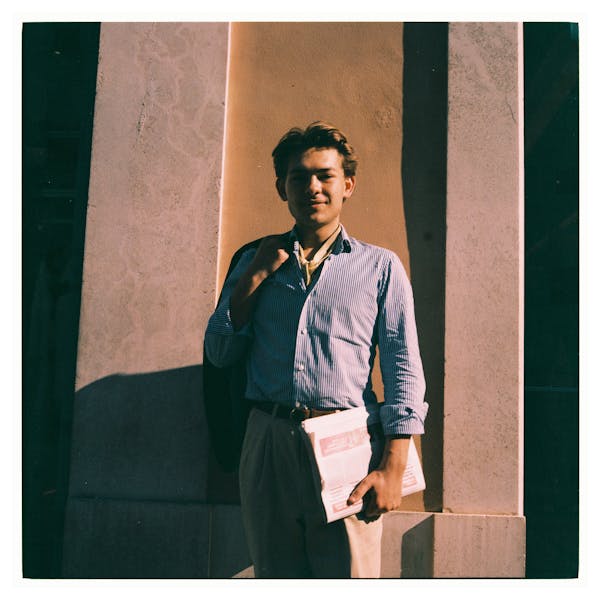
Local's opinion
Marco B. · Passionate archaeology tour guide
I grew up in Rome and I see the Colosseum not as a postcard, but as a complex machine; I want you to feel the sweat of the gladiators and Roman engineering, not just look at walls. Forget the clichés of Russell Crowe for a moment: here, it is the hydraulic precision of the hypogeum and imperial logistics that truly fascinate.
- Arrive 30 minutes before your strict time slot. The queue for airport-style security checks starts forming very early, and being first allows you to enter without stress into still empty tiers.
- Absolutely wear robust walking shoes. The floors are uneven, composed of worn ancient stone, with many abrupt steps and unstable cobblestones that make heels or flat sandals dangerous.
- Don't stay locked in the amphitheater: go up to the Palatine Hill right after. It is from there that you will get the best panoramic bird's-eye view of the arena and the Forum, offering an incomparable architectural perspective.
- Always check for technical closures before booking the 'Full' ticket. Access to the hypogeum is sometimes suspended for maintenance, and it is frustrating to have paid for a full experience that is reduced to the tiers only.
Frequently asked questions
Everything you need to know before your visit
Booking
Visit
Practical Info
Accessibility
Colosseum on video
A preview of this exceptional place before your visit
Colosseum in pictures
See what to expect during your visit
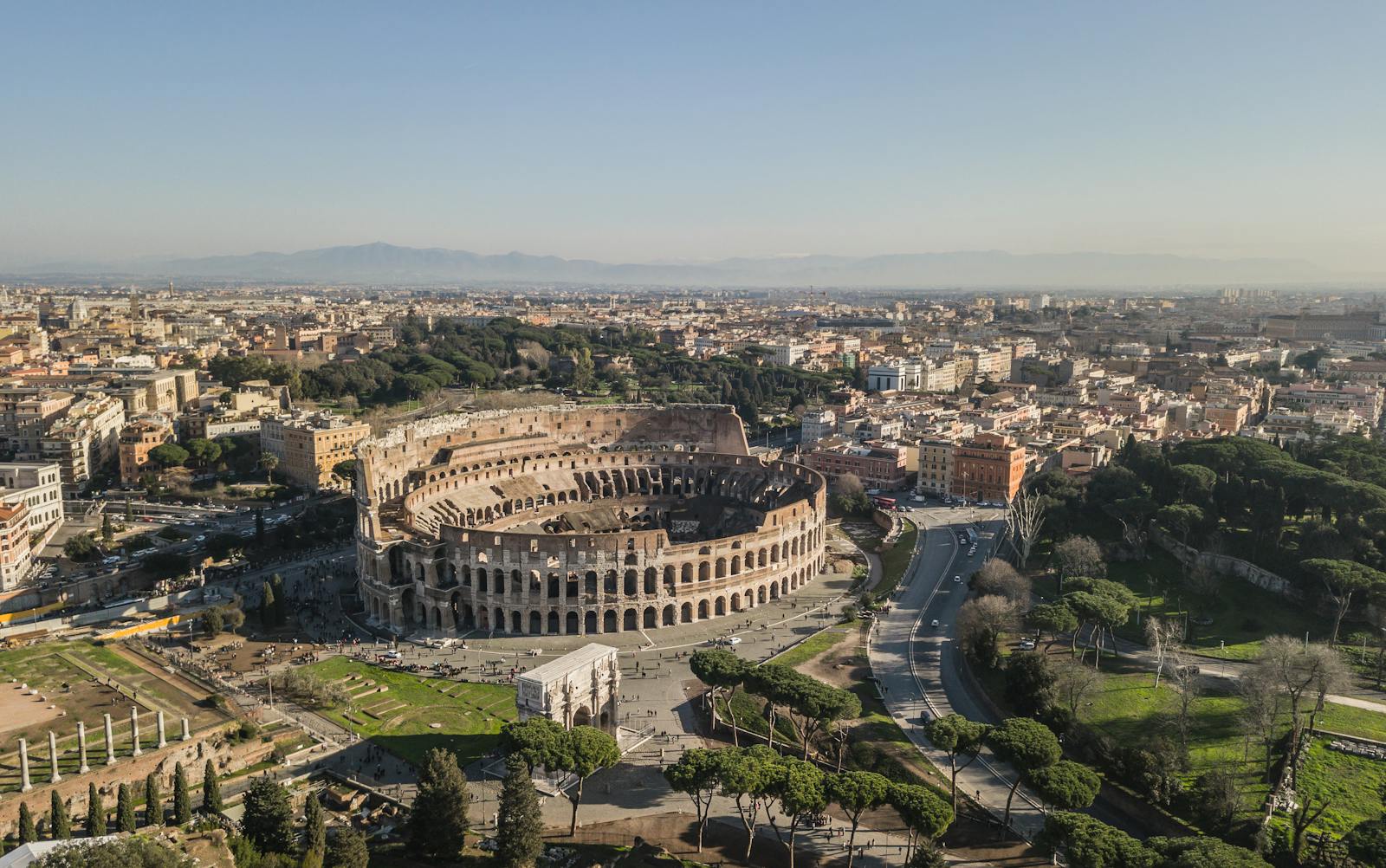
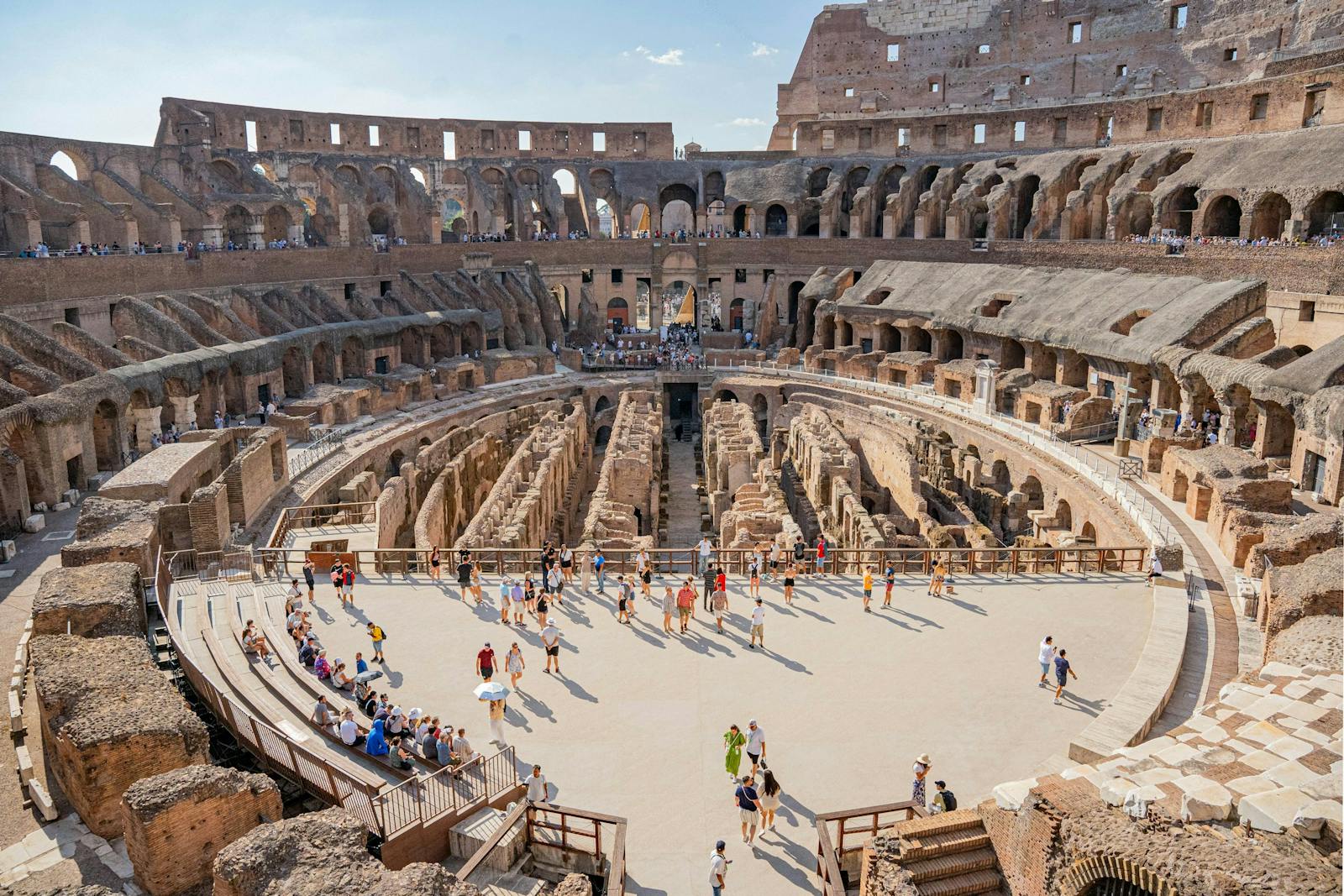
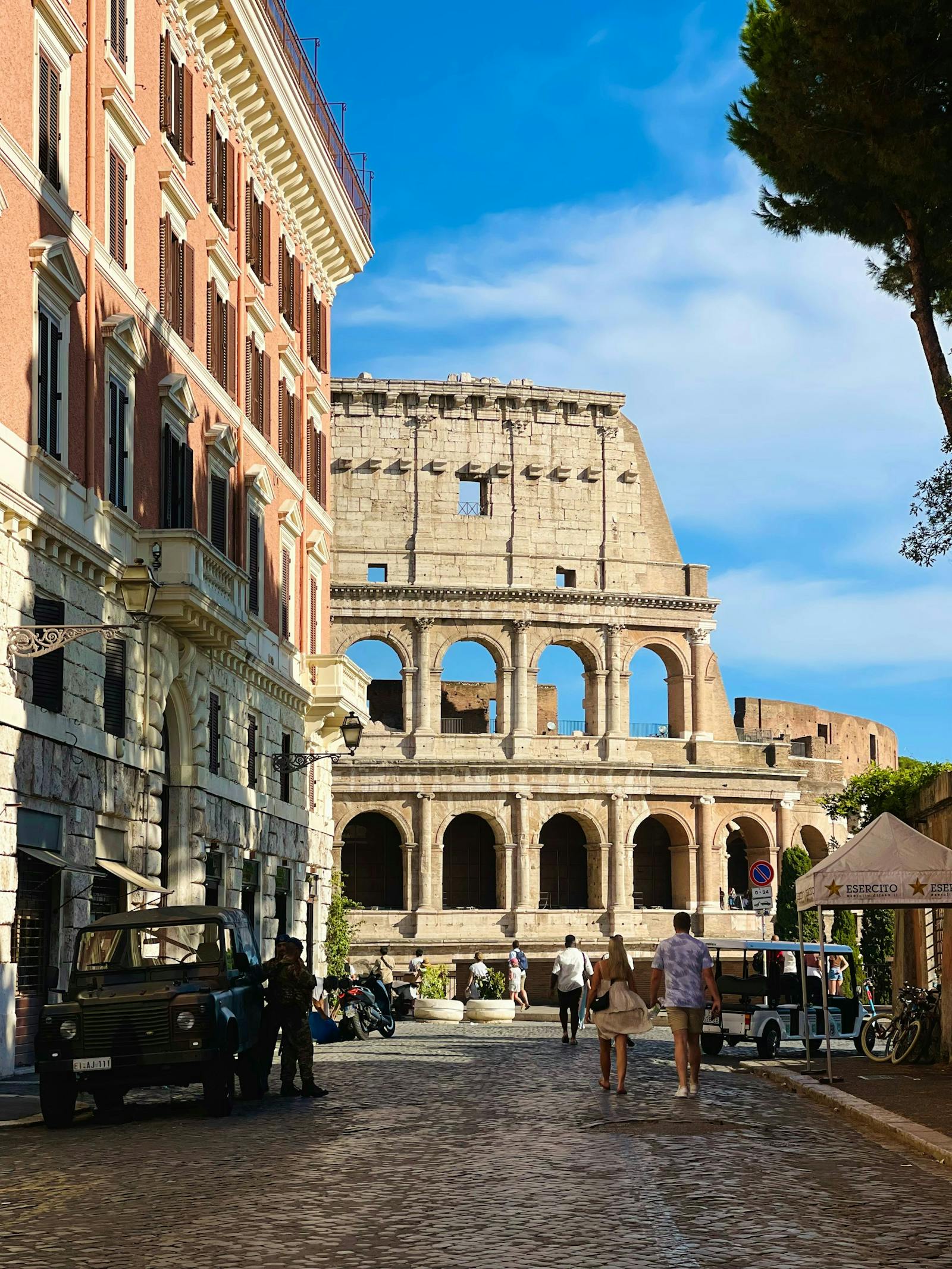
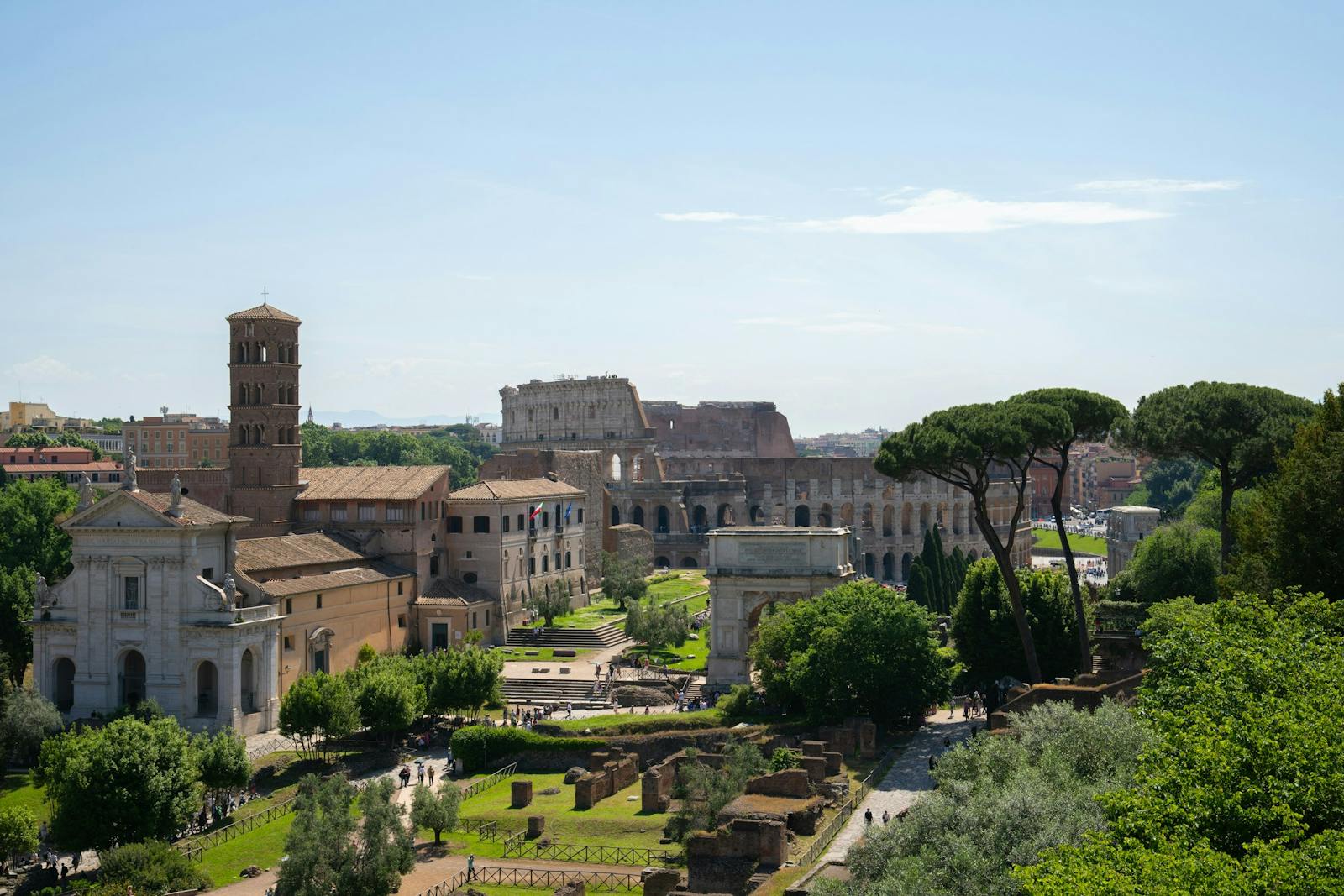
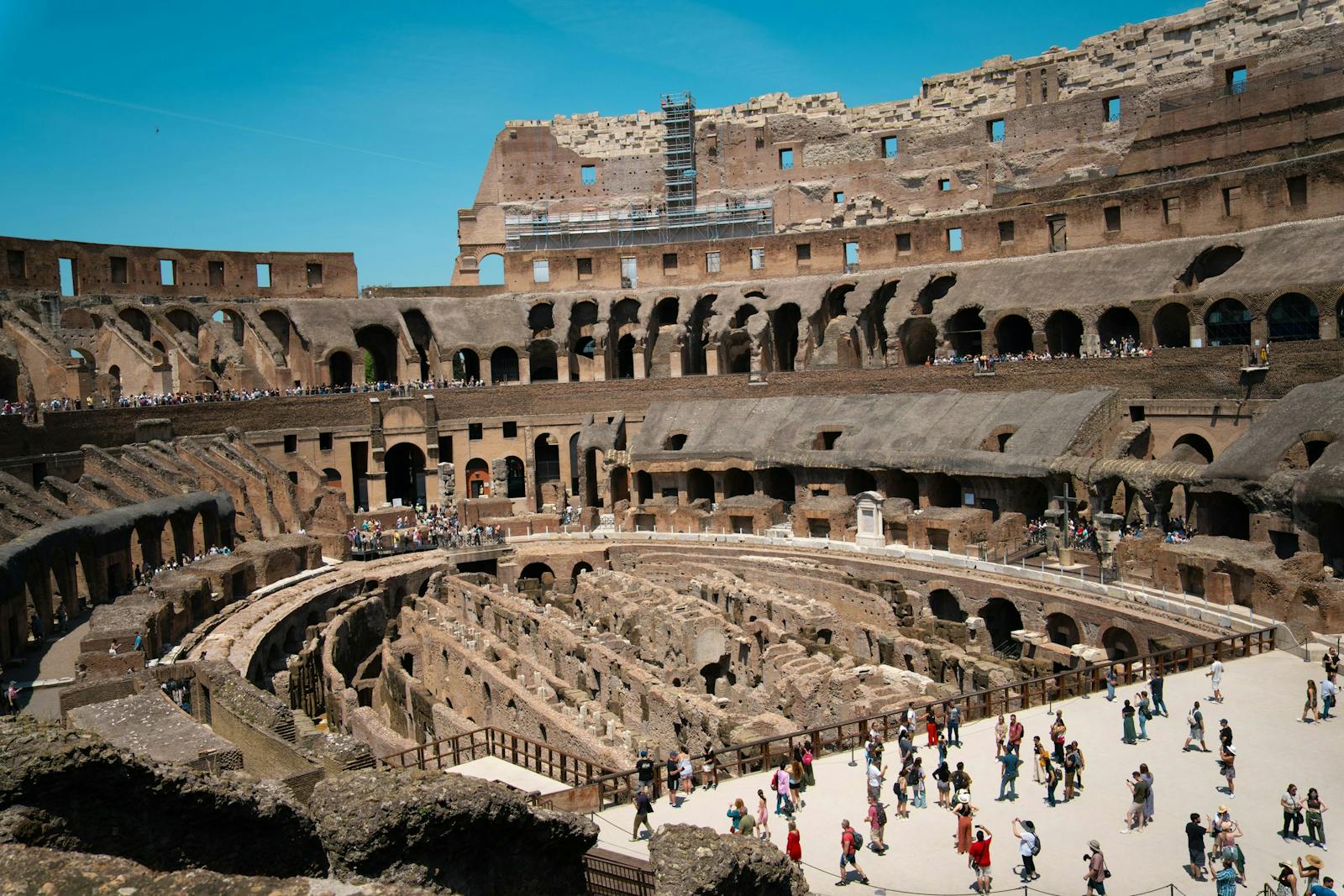
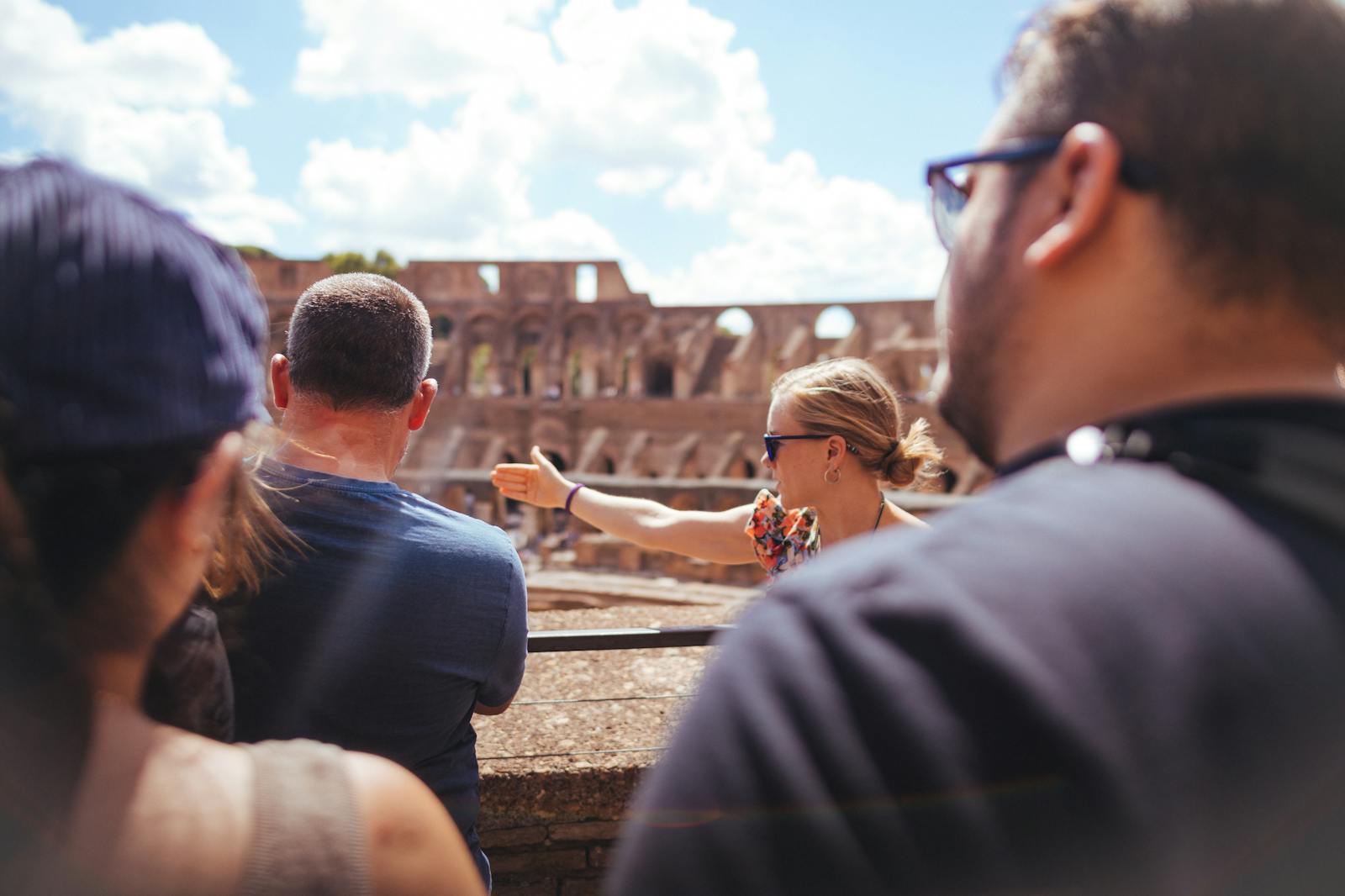
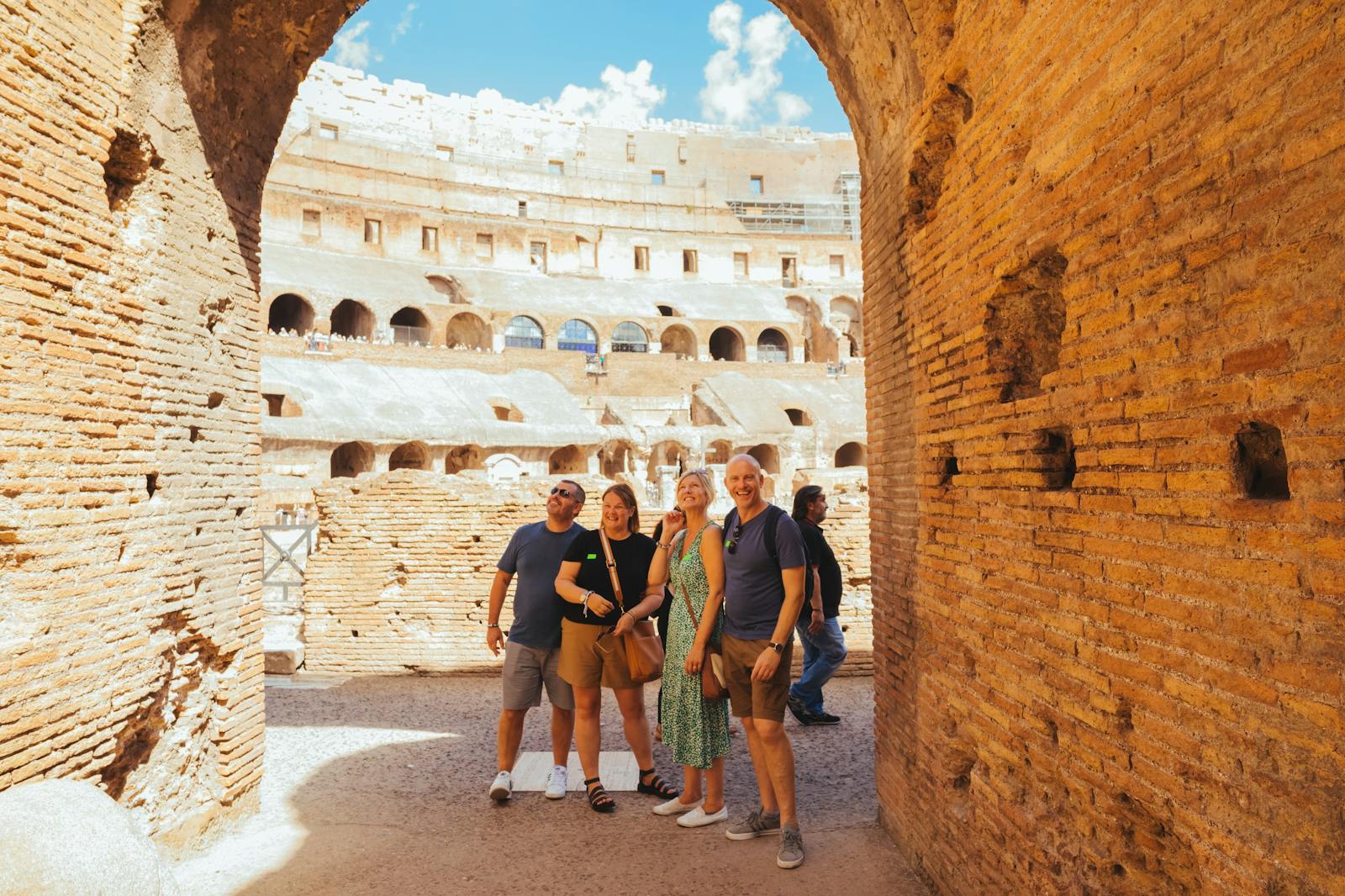
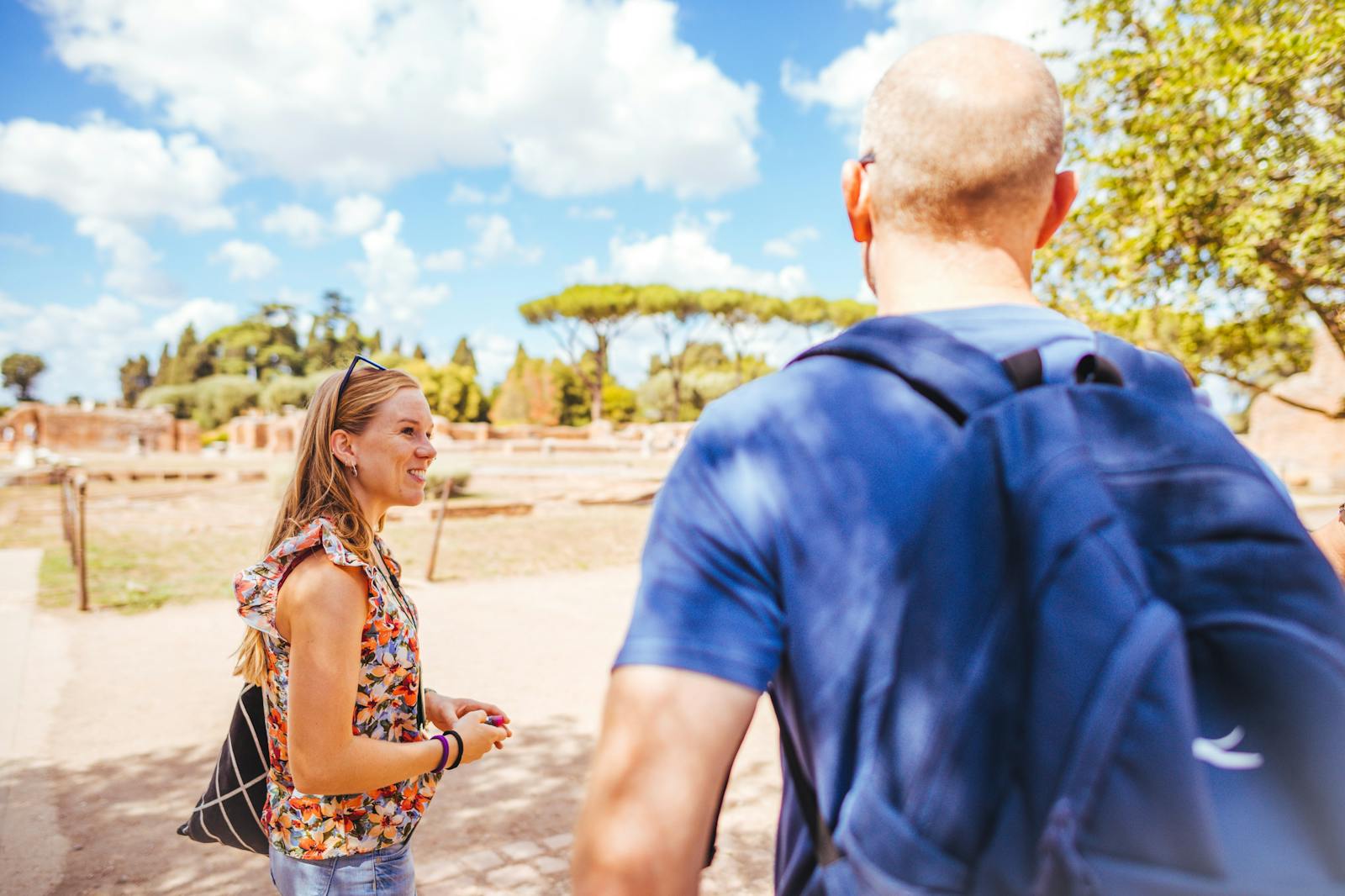
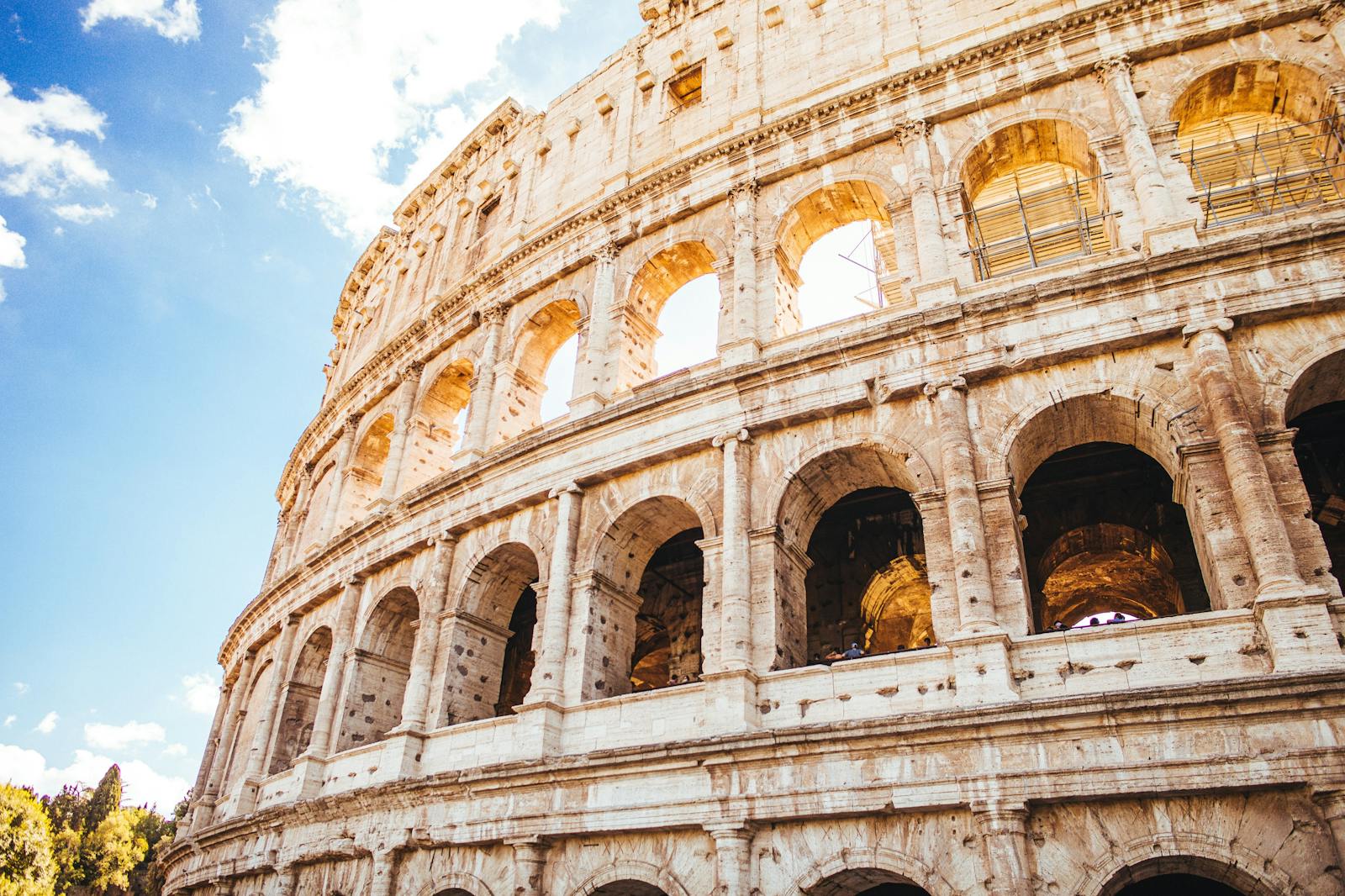
The Colosseum vs. other Roman amphitheaters
Quick comparison with other major sites
| Colosseum | Verona Arena | Arles Arena | |
|---|---|---|---|
| Year of creation | 70-80 AD | 1st century AD | 1st century AD |
| Capacity | 50 000 - 80 000 | 30 000 | 24 000 |
| Adult rate | 24-32 € | 12-15 € | 7-9 € |
| Visit duration | 1h30 - 3h | 1h | 45 min |
| Feature | Hypogeum and arena accessible | Summer operas | Best preservation |
Ready to book?
Choose your tickets online and get instant confirmation.
Book my ticketsSecure payment • Free cancellation • Instant confirmation